
 By Naveed Hussain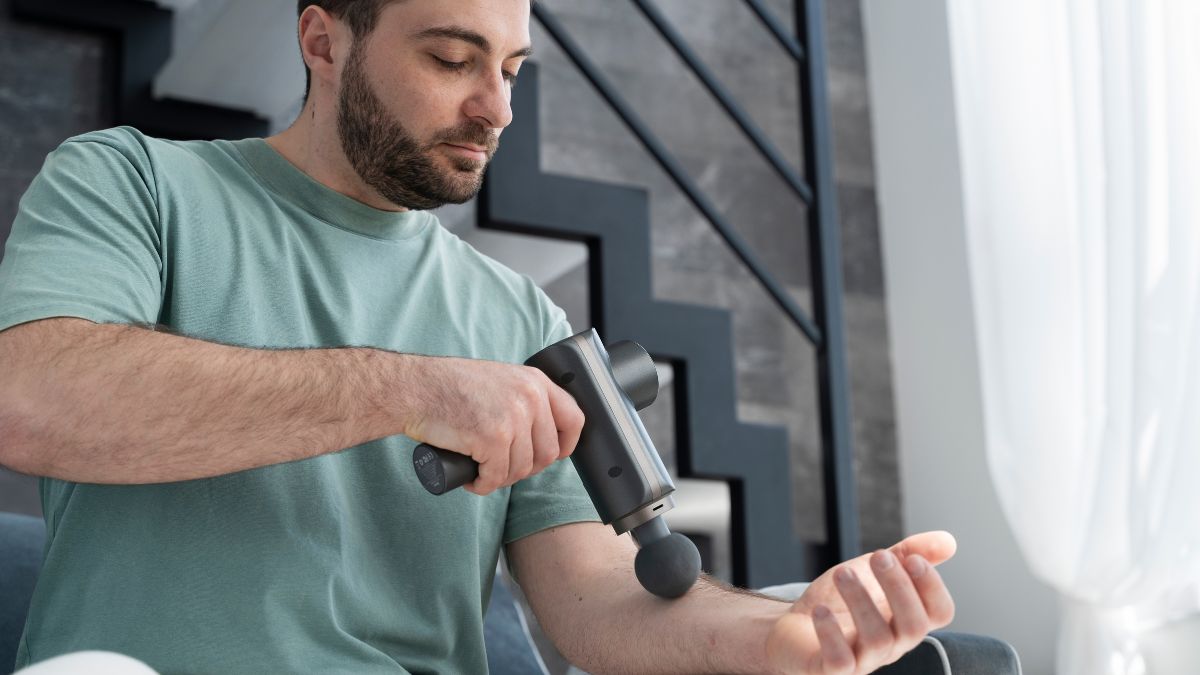
Muscle recovery is one of the most important parts of fitness, athletic performance, and overall physical health. Whether someone is a professional athlete, bodybuilder, runner, or beginner in exercise, proper muscle recovery helps the body repair damaged tissues, rebuild strength, and prepare for future physical activity. Without effective muscle recovery, the body may experience fatigue, soreness, reduced performance, and increased injury risk.
In modern fitness culture, many people focus heavily on workouts and training intensity but overlook the importance of recovery. However, muscle recovery is just as essential as exercise itself. The body grows stronger during recovery periods, not during the workout alone. Understanding how it works can help individuals improve endurance, increase strength, and maintain long-term fitness success.
What Is Muscle Recovery?
It refers to the process through which the body repairs and rebuilds muscle fibers after physical activity. During exercise, especially strength training and high-intensity workouts, muscles experience tiny tears. Recovery allows these tissues to heal and become stronger over time.
Muscle recovery involves several biological processes, including:
- Repairing muscle fibers
- Reducing inflammation
- Restoring energy stores
- Rehydrating the body
- Rebuilding strength and endurance
Its proper routine helps athletes and fitness enthusiasts return to training with improved performance and reduced soreness.
Importance of Muscle Recovery
Prevents Muscle Fatigue
Continuous intense exercise without recovery can exhaust muscles and lower performance levels. It gives the body time to restore energy and repair tissues.
Supports Muscle Growth
Muscles grow during recovery periods. Proper recovery helps muscle fibers rebuild stronger and larger after workouts.
Reduces Injury Risk
Overtraining without sufficient recovery may lead to strains, joint pain, and chronic injuries. It helps protect the body from physical stress.
Improves Athletic Performance
Athletes who prioritize its often experience better endurance, strength, and flexibility during competitions and training sessions.
Enhances Mental Well-Being
Recovery also supports mental relaxation and reduces physical stress, helping athletes stay motivated and focused.
How Muscles Recover After Exercise
After exercise, the body begins repairing damaged muscle tissues. Blood circulation increases around affected muscles to deliver oxygen and nutrients necessary for healing.
This process generally includes:
- Reduction of inflammation
- Protein synthesis for muscle repair
- Replenishment of glycogen stores
- Removal of metabolic waste products
- Restoration of hydration and electrolyte balance
This process may take several hours or even days depending on workout intensity and individual fitness levels.
Best Methods for Muscle Recovery
Proper Rest and Sleep
Sleep is one of the most effective tools for its recovery. During deep sleep, the body releases growth hormones that repair muscle tissues and support recovery.
Most athletes and active individuals require:
- 7 to 9 hours of quality sleep daily
- Consistent sleep schedules
- Reduced screen time before bed
Lack of sleep can slow it and negatively affect performance.
Nutrition for Muscle Recovery
Nutrition plays a major role in recovery after exercise. The body requires nutrients to rebuild muscle fibers and restore energy levels.
Protein Intake
Protein helps repair damaged muscles and supports growth.
Excellent protein sources include:
- Chicken
- Fish
- Eggs
- Greek yogurt
- Lentils
- Protein shakes
Consuming protein after workouts can significantly improve muscle recovery.
Carbohydrates
Carbohydrates replenish glycogen stores used during exercise.
Healthy carbohydrate options include:
- Brown rice
- Oats
- Bananas
- Sweet potatoes
- Whole grains
Combining carbohydrates with protein after workouts improves recovery efficiency.
Healthy Fats
Healthy fats support hormone production and reduce inflammation.
Good sources include:
- Nuts
- Avocados
- Olive oil
- Fatty fish
Hydration and Muscle Recovery
Hydration is essential for muscle recovery because water supports nutrient transport and regulates body temperature.
Dehydration may cause:
- Muscle cramps
- Fatigue
- Reduced endurance
- Slower healing
Athletes should drink water before, during, and after exercise. Electrolyte-rich drinks may also help restore minerals lost through sweat.
Stretching and Mobility Exercises
Stretching improves flexibility, increases blood circulation, and reduces stiffness after workouts.
Popular recovery stretches include:
- Hamstring stretches
- Shoulder stretches
- Hip mobility exercises
- Yoga movements
Light stretching after exercise can improve muscle recovery and reduce soreness.
Active Recovery
Active recovery involves low-intensity movement after strenuous exercise. Instead of complete rest, light physical activity helps improve circulation and muscle repair.
Examples of active recovery include:
- Walking
- Swimming
- Cycling
- Light yoga
Active recovery helps reduce muscle tightness and improve flexibility.
Massage Therapy for Muscle Recovery
Massage therapy is commonly used by athletes to improve blood flow and reduce muscle tension.
Benefits of massage include:
- Reduced soreness
- Better circulation
- Improved flexibility
- Stress relief
Foam rolling is another popular self-massage technique used for muscle recovery.
Cold and Heat Therapy
Many athletes use temperature therapy to support recovery.
Cold Therapy
Ice baths and cold packs help reduce inflammation and muscle soreness after intense workouts.
Heat Therapy
Heat improves circulation and relaxes tight muscles. Warm baths and heating pads are commonly used for recovery.
Alternating between heat and cold therapy may also provide additional recovery benefits.
Supplements for Muscle Recovery
Certain supplements may help improve recovery and reduce muscle soreness.
Popular recovery supplements include:
- Whey protein
- Creatine
- Branched-chain amino acids (BCAAs)
- Omega-3 fatty acids
- Magnesium
While supplements can support muscle recovery, they should complement a healthy diet rather than replace natural nutrition.
Common Muscle Recovery Mistakes
Overtraining
Exercising intensely every day without rest can delay muscle recovery and increase injury risks.
Ignoring Hydration
Poor hydration slows the recovery process and reduces muscle performance.
Poor Nutrition
Without proper nutrients, muscles cannot repair efficiently after exercise.
Insufficient Sleep
Sleep deprivation negatively affects recovery hormones and muscle repair.
Muscle Recovery for Different Athletes
Strength Athletes
Bodybuilders and weightlifters require longer recovery periods due to heavy muscle strain.
Endurance Athletes
Runners and cyclists focus on hydration, glycogen restoration, and stretching for recovery.
Team Sport Athletes
Football and basketball players need balanced recovery strategies involving nutrition, hydration, and rest.
Beginners
People new to exercise may experience delayed onset muscle soreness (DOMS), making recovery especially important.
Signs Your Muscles Need Recovery
Some common signs that the body needs more recovery include:
- Persistent soreness
- Fatigue
- Reduced strength
- Poor sleep quality
- Decreased motivation
- Joint pain
Listening to the body is essential for maintaining healthy fitness progress.
Mental Benefits of Muscle Recovery
Muscle recovery also supports mental health and emotional balance. Proper recovery reduces stress, improves mood, and increases motivation for future workouts.
Athletes who prioritize recovery often experience better confidence and consistency in their fitness journey.
Future Trends in Muscle Recovery
Modern fitness technology is transforming muscle recovery methods. Wearable fitness trackers, recovery compression devices, AI-based recovery plans, and advanced physiotherapy tools are becoming increasingly popular.
Recovery-focused wellness practices such as meditation, cryotherapy, and personalized nutrition plans are also growing trends in sports science.
Conclusion
Muscle recovery is an essential part of physical fitness, athletic performance, and overall well-being. Proper recovery allows muscles to repair, rebuild, and grow stronger after exercise. By focusing on rest, hydration, balanced nutrition, stretching, and active recovery, individuals can improve performance while reducing soreness and injury risks.
Whether someone is a professional athlete or simply pursuing a healthier lifestyle, prioritizing muscle recovery can lead to better endurance, greater strength, and long-term fitness success.