
 By Naveed Hussain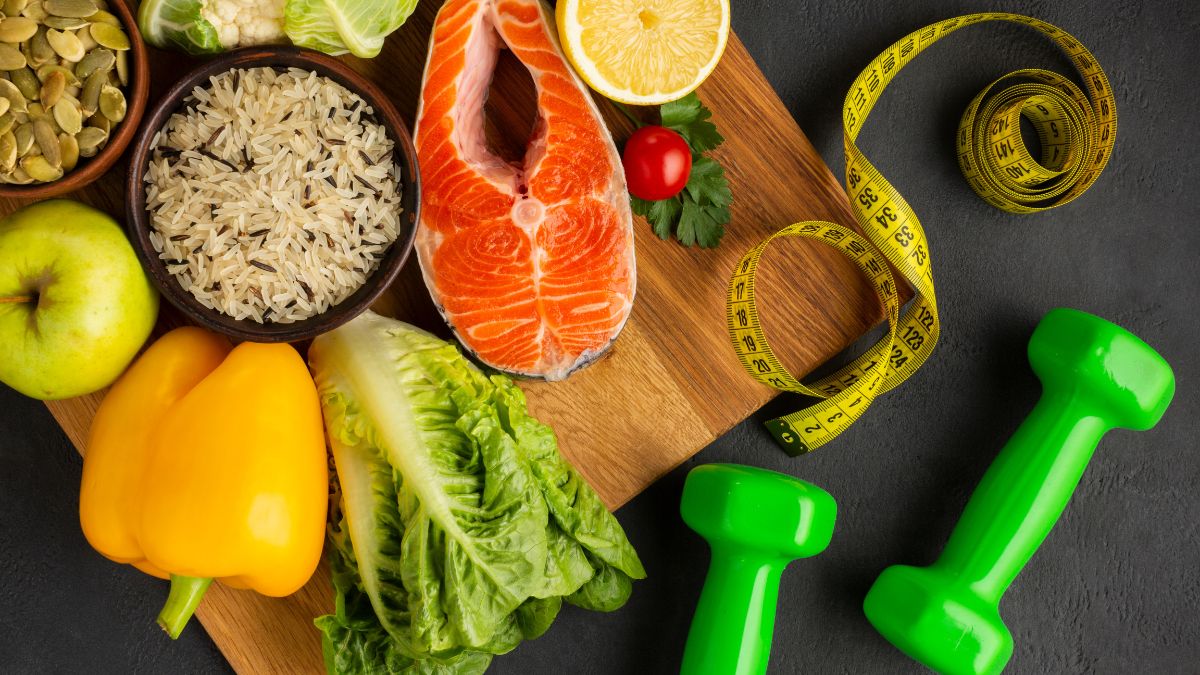
A healthy athlete diet is one of the most important factors in achieving success in sports and fitness. Whether someone is a professional competitor, gym enthusiast, runner, football player, or student athlete, proper nutrition directly affects strength, endurance, recovery, and overall health. A balanced athlete diet provides the body with the fuel needed to perform efficiently during training sessions and competitions.
Modern athletes understand that exercise alone is not enough for peak performance. Nutrition plays an equally important role in maintaining energy, building muscles, supporting recovery, and preventing injuries. A healthy athlete diet combines carbohydrates, proteins, healthy fats, vitamins, minerals, and hydration to help the body function at its highest level.
What Is a Healthy Athlete Diet?
A healthy athlete diet is a nutritional plan designed to meet the physical demands of active individuals. It focuses on consuming nutrient-rich foods that support athletic performance, muscle recovery, and long-term wellness.
Unlike ordinary diets, an athlete diet requires higher attention to energy intake, nutrient timing, and hydration because athletes burn more calories and place greater stress on their muscles and joints.
The main goals of a healthy athlete diet include:
- Improving physical performance
- Boosting stamina and endurance
- Supporting muscle growth and repair
- Enhancing recovery after workouts
- Maintaining healthy body weight
- Reducing fatigue and injury risks
Every athlete has different dietary needs depending on age, sport type, training intensity, and personal fitness goals.
Importance of a Healthy Athlete Diet
Provides Energy for Performance
Athletes require a constant supply of energy for training and competitions. A healthy athlete diet ensures the body has enough fuel to maintain strength, speed, and endurance.
Supports Muscle Growth and Recovery
Exercise causes small tears in muscle fibers. Protein-rich foods in an athlete diet help repair these muscles and support growth and recovery.
Enhances Endurance
Proper nutrition helps athletes maintain stamina during long training sessions and sporting events.
Improves Mental Focus
Healthy eating habits support brain function, concentration, and decision-making abilities during competitions.
Prevents Injuries and Fatigue
A balanced athlete diet strengthens bones, muscles, and joints while reducing the risk of cramps, weakness, and exhaustion.
Essential Nutrients in a Healthy Athlete Diet
Carbohydrates
Carbohydrates are the primary energy source for athletes. During exercise, the body converts carbohydrates into glucose, which fuels muscles and improves performance.
Healthy carbohydrate sources include:
- Brown rice
- Whole grains
- Oats
- Bananas
- Sweet potatoes
- Fruits and vegetables
Athletes involved in endurance sports usually require more carbohydrates to maintain energy levels.
Proteins
Protein is essential for muscle repair and recovery. A healthy athlete diet should include adequate protein intake to help rebuild muscle tissues after intense workouts.
Good protein sources include:
- Chicken
- Fish
- Eggs
- Greek yogurt
- Lentils
- Beans
- Cottage cheese
Protein shakes are also commonly used by athletes after training sessions.
Healthy Fats
Healthy fats provide long-lasting energy and support hormone production. They are especially useful for endurance athletes.
Nutritious fat sources include:
- Avocados
- Nuts and seeds
- Olive oil
- Fatty fish
- Peanut butter
Healthy fats should be consumed in moderation as part of a balanced athlete diet.
Vitamins and Minerals
Micronutrients are essential for overall athletic health. Vitamins and minerals support immunity, bone strength, muscle contraction, and oxygen transport.
Important nutrients include:
- Calcium for strong bones
- Iron for oxygen circulation
- Magnesium for muscle function
- Vitamin D for bone health
- Potassium for hydration balance
A colorful diet rich in fruits and vegetables helps athletes obtain these nutrients naturally.
Hydration in an Athlete Diet
Hydration is a critical part of a healthy athlete diet. Water regulates body temperature, transports nutrients, and prevents dehydration during exercise.
Athletes should drink water consistently throughout the day, especially before and after physical activity. During intense workouts or sports events, electrolyte drinks can help replace minerals lost through sweat.
Signs of dehydration may include:
- Fatigue
- Dizziness
- Muscle cramps
- Headaches
- Reduced performance
Maintaining proper hydration improves endurance and recovery.
Pre-Workout Nutrition
Eating before exercise prepares the body for physical activity. A pre-workout meal should provide carbohydrates for energy and moderate protein for muscle support.
Examples of healthy pre-workout meals include:
- Oatmeal with fruits
- Whole-grain toast with peanut butter
- Yogurt with granola
- Banana smoothies
Athletes should avoid heavy or greasy foods before training sessions.
Post-Workout Nutrition
Recovery meals are essential in a healthy athlete diet. After exercise, the body needs nutrients to restore energy and repair muscles.
An ideal post-workout meal contains both carbohydrates and proteins.
Examples include:
- Grilled chicken with rice
- Protein shakes with bananas
- Eggs and whole-grain toast
- Tuna sandwiches
Post-workout nutrition supports faster recovery and reduces muscle soreness.
Healthy Athlete Diet for Different Sports
Endurance Athletes
Runners, swimmers, and cyclists require higher carbohydrate intake to sustain long-duration activities.
Strength Athletes
Bodybuilders and weightlifters focus more on protein consumption to build lean muscle mass.
Team Sports Athletes
Football, cricket, basketball, and hockey players need balanced nutrition to maintain energy, agility, and recovery.
Young Athletes
Children and teenagers participating in sports need nutrient-rich meals to support both growth and physical activity.
Foods Athletes Should Avoid
Certain foods may negatively affect performance and recovery.
These include:
- Sugary drinks
- Excessive junk food
- Fried foods
- Highly processed snacks
- Excessive caffeine
- Alcohol
Replacing unhealthy foods with nutrient-dense options improves athletic health and energy levels.
Common Mistakes in an Athlete Diet
Skipping Meals
Missing meals can lead to low energy and poor performance.
Inadequate Protein Intake
Without enough protein, muscles recover slowly after exercise.
Poor Hydration Habits
Not drinking enough fluids may reduce endurance and concentration.
Overusing Supplements
Supplements should support a healthy athlete diet, not replace natural foods.
Role of Supplements in a Healthy Athlete Diet
Some athletes use supplements to improve recovery and performance.
Common sports supplements include:
- Whey protein
- Creatine
- Electrolyte powders
- Multivitamins
- Omega-3 fish oil
While supplements can be beneficial, whole foods should remain the foundation of an athlete diet.
Mental Benefits of Healthy Eating for Athletes
A healthy athlete diet not only improves physical performance but also supports mental health. Proper nutrition helps reduce stress, improve mood, and increase confidence.
Athletes who eat balanced meals often experience better focus and motivation during competitions and training sessions.
Tips for Maintaining a Healthy Athlete Diet
- Eat balanced meals regularly
- Include protein in every meal
- Stay hydrated throughout the day
- Choose whole foods over processed snacks
- Plan meals according to training schedules
- Prioritize recovery nutrition
- Get enough sleep for recovery
Consistency is the key to maintaining a healthy athlete diet.
Conclusion
A healthy athlete diet is essential for achieving peak physical performance and long-term wellness. Proper nutrition provides the energy needed for training, supports muscle growth, enhances recovery, and improves mental focus. By consuming balanced meals rich in carbohydrates, proteins, healthy fats, vitamins, minerals, and water, athletes can maximize their potential and maintain an active lifestyle.
Whether someone participates in professional sports or regular fitness activities, following a healthy athlete diet can lead to stronger performance, better recovery, and improved overall health.