
 By Naveed Hussain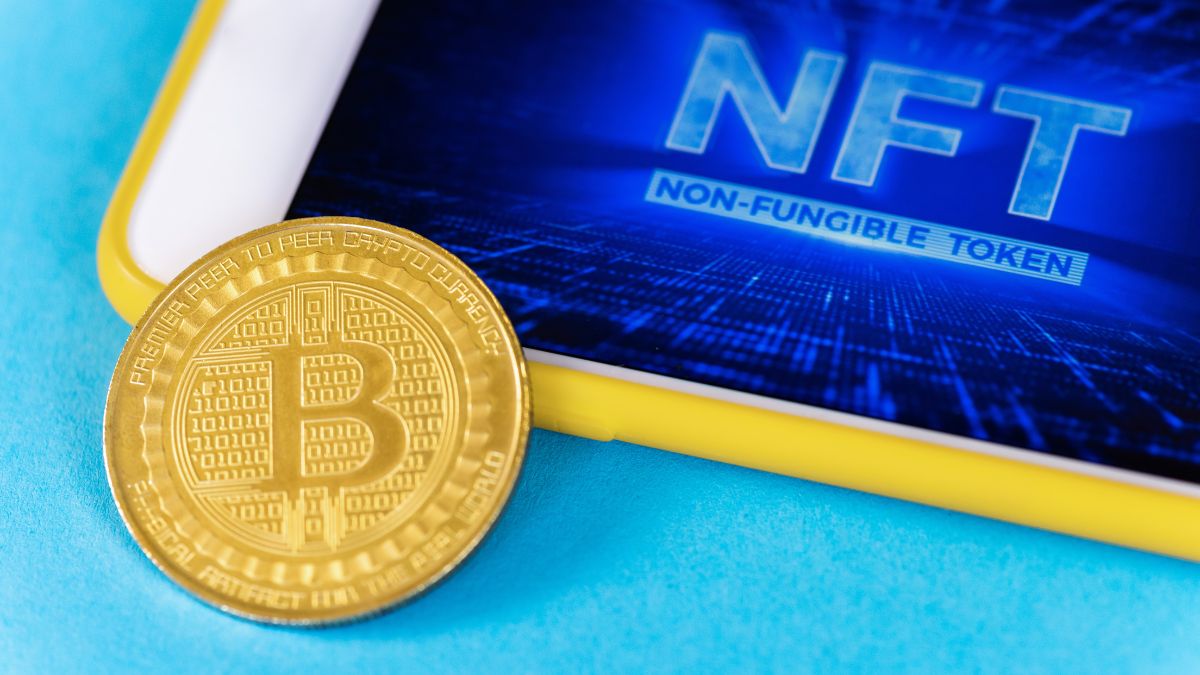
Introduction
NFTs have transformed the way people buy, sell, and own digital assets. From digital artwork and music to virtual real estate and gaming collectibles, it has introduced a new model of digital ownership powered by blockchain technology. Although the popularity of this has experienced highs and lows, the technology continues to evolve and influence industries beyond art and entertainment.
Understanding this essential for anyone interested in cryptocurrency, blockchain, digital investments, or the future of the internet. This guide explains how it work, why they matter, their benefits, challenges, and what the future may hold.
What Are NFTs?
NFTs, or Non-Fungible Tokens, are unique digital assets stored on a blockchain. Unlike cryptocurrencies such as Bitcoin or Ethereum, which are interchangeable, these are one of a kind. Each token has unique information that proves authenticity and ownership.
The uniqueness of it makes them ideal for representing digital collectibles, artwork, music, videos, virtual land, event tickets, and intellectual property.
How NFTs Work
The foundation of it is blockchain technology. Each NFT contains metadata and a unique identifier recorded on a decentralized blockchain network. Most them are created on Ethereum, although other blockchains like Polygon, Solana, and BNB Chain also support them.
The process generally includes:
- Creating a digital asset.
- Minting it into an NFT.
- Listing it on an NFT marketplace.
- Allowing buyers to purchase or trade it.
- Recording ownership permanently on the blockchain.
Because blockchain records cannot easily be altered, it provides transparent proof of ownership.
Why NFTs Are Important
The rise of it has changed how creators monetize digital content. Artists no longer need traditional intermediaries to sell their work. Instead, they can reach global audiences directly while maintaining ownership rights.
Businesses also use this for customer engagement, loyalty programs, exclusive memberships, and digital branding. As Web3 expands, this continue to create new economic opportunities.
Popular Uses of NFTs
Digital Art
Digital artists use this to authenticate and sell original creations while earning royalties from future sales.
Gaming
Many blockchain games integrate it as characters, weapons, skins, and virtual items that players truly own.
Music
Musicians release albums, exclusive tracks, backstage passes, and collectibles through NFTs, strengthening fan engagement.
Virtual Real Estate
Metaverse platforms allow users to purchase land represented by NFTs, enabling virtual development and business opportunities.
Collectibles
Sports memorabilia, trading cards, digital photographs, and rare collectibles have become popular categories for NFTs.
Event Tickets
Organizations increasingly use it as secure digital tickets that reduce fraud while offering collectible value.
Benefits of NFTs
Verified Ownership
One of the biggest advantages of it is transparent ownership verification through blockchain records.
Creator Royalties
Smart contracts allow creators to receive automatic royalties whenever their NFTs are resold.
Global Accessibility
Anyone with internet access and a compatible crypto wallet can buy or sell it regardless of geographical location.
Increased Security
Blockchain technology makes it resistant to unauthorized duplication and tampering.
Digital Scarcity
Limited editions create rarity, increasing the potential value of certain NFTs over time.
Challenges Facing NFTs
Despite their advantages, NFTs also present several challenges.
Market Volatility
Prices of it can fluctuate significantly depending on market demand and investor sentiment.
Scams and Fraud
Fake collections, phishing attacks, and counterfeit listings remain risks for its buyers.
Environmental Concerns
Some blockchain networks previously consumed significant energy, although many modern platforms now use energy-efficient consensus mechanisms.
Regulatory Uncertainty
Governments worldwide continue developing regulations that may influence the future of it.
How to Buy NFTs
Buying it is relatively straightforward:
- Create a cryptocurrency wallet.
- Purchase cryptocurrency.
- Connect the wallet to an NFT marketplace.
- Browse available NFTs.
- Complete the purchase.
- Store your NFTs securely in your wallet.
Researching projects before investing is always recommended.
Tips for Investing in NFTs
Successful NFT investing requires careful evaluation.
- Study the project’s credibility.
- Research the development team.
- Analyze community engagement.
- Check trading volume.
- Understand long-term utility.
- Diversify your investments.
- Never invest more than you can afford to lose.
Thoughtful research reduces unnecessary risk when purchasing NFTs.
NFTs Beyond Collectibles
The future of NFTs extends well beyond digital art.
Emerging applications include:
- Educational certificates
- Identity verification
- Medical records
- Intellectual property licensing
- Supply chain management
- Luxury product authentication
- Real estate documentation
- Business memberships
These practical uses demonstrate that NFTs represent far more than speculative digital collectibles.
The Future of NFTs
As blockchain technology matures, NFTs are expected to become more integrated into everyday digital experiences. Improved scalability, lower transaction costs, stronger regulations, and broader enterprise adoption may help expand the utility of NFTs.
Companies continue exploring NFTs for customer rewards, digital identity, ticketing, gaming ecosystems, and virtual commerce. Rather than disappearing, NFTs are evolving into practical tools for ownership and authentication across multiple industries.
Conclusion
NFTs have fundamentally changed digital ownership by allowing individuals to buy, sell, and verify unique digital assets on blockchain networks. From empowering creators to enabling innovative business models, NFTs continue to shape the future of the digital economy.
While the market remains dynamic and investment risks exist, the underlying technology behind NFTs offers significant long-term potential. Understanding how NFTs work, their advantages, and their real-world applications helps individuals and businesses prepare for the next generation of the internet.