
 By Naveed Hussain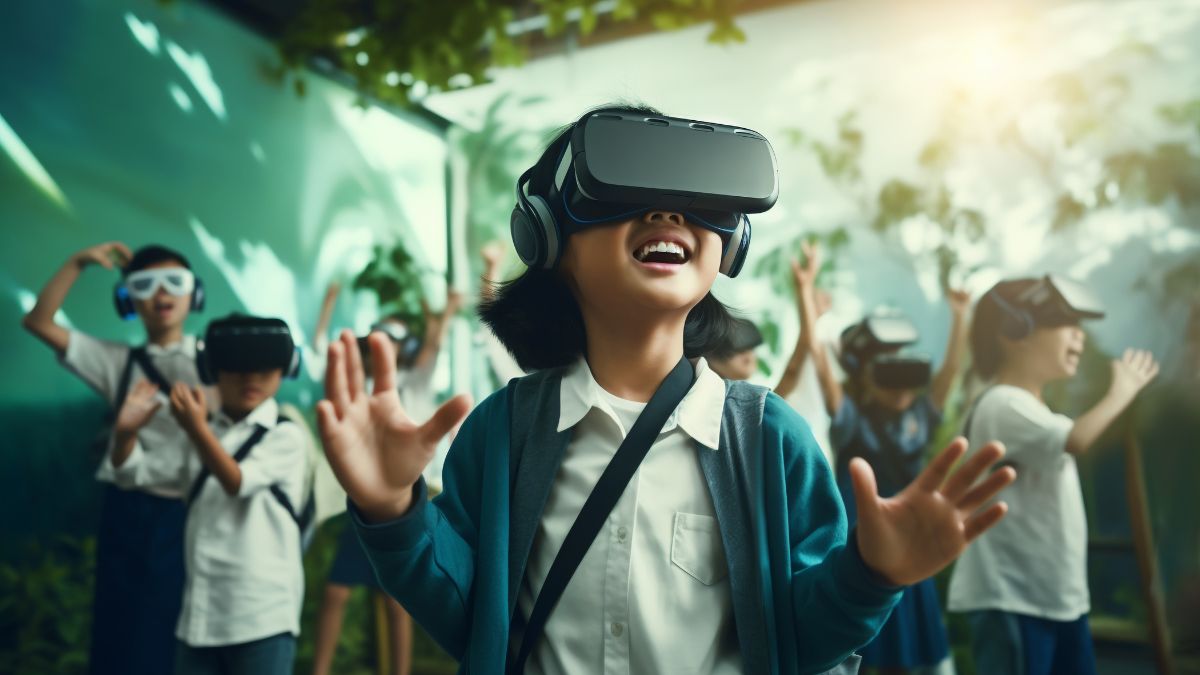
Education has evolved significantly over the years, moving beyond traditional classrooms and textbooks toward more interactive and student-centered learning methods. One of the most exciting developments in modern education is gamification in education. By integrating game elements into learning environments, educators can make lessons more engaging, motivating, and effective for students of all ages.
Gamification in education combines the excitement of games with educational objectives to encourage participation, improve understanding, and enhance student performance. From digital badges and point systems to educational challenges and leaderboards, gamification creates an enjoyable learning experience that inspires students to stay active and focused.
As technology continues to reshape the education sector, gamification in education is becoming a powerful strategy for improving learning outcomes and creating a positive classroom environment.
What Is Gamification in Education?
Gamification in education refers to the use of game-based elements and mechanics in educational settings to increase student engagement and motivation. Instead of relying solely on lectures and memorization, teachers use rewards, challenges, competitions, and interactive activities to make learning more enjoyable.
Gamification does not mean turning every lesson into a video game. Rather, it applies principles commonly found in games—such as achievements, progress tracking, levels, and rewards—to educational activities.
For example, students may earn points for completing assignments, unlock new levels after mastering concepts, or receive badges for participation and teamwork. These systems encourage continuous improvement and active involvement in the learning process.
The Importance of Gamification in Education
Modern students grow up in a digital world filled with interactive technology and instant feedback. Traditional teaching methods may sometimes struggle to capture their attention. Gamification in education helps bridge this gap by making learning more dynamic and relatable.
One of the key reasons gamification is important is that it increases student motivation. When learners feel rewarded for their progress, they become more enthusiastic about participating in class activities and completing tasks.
Gamification in education also promotes deeper engagement. Students are more likely to focus on lessons when they feel challenged and entertained at the same time. Interactive learning experiences can improve memory retention and understanding.
Additionally, gamification encourages a growth mindset. Students learn that progress comes through effort, practice, and persistence rather than fear of failure.
Key Elements of Gamification in Education
Several important components make gamification effective in educational environments.
Points and Rewards
Points are commonly used to recognize progress and achievements. Rewards motivate students to stay consistent and participate actively.
Badges and Achievements
Badges provide visual recognition for accomplishments such as completing projects, mastering skills, or demonstrating leadership.
Levels and Progression
Level systems allow students to track improvement and work toward new goals. This creates a sense of accomplishment and motivation.
Challenges and Quests
Educational challenges encourage problem-solving and teamwork. Students often enjoy completing missions or tasks that test their knowledge creatively.
Leaderboards
Leaderboards can inspire healthy competition among students. When used positively, they encourage participation and goal-setting.
Instant Feedback
Gamification in education provides immediate responses to student performance, helping learners identify strengths and areas for improvement quickly.
Benefits of Gamification in Education
Increased Student Engagement
Gamification makes learning more interactive and enjoyable. Students become active participants instead of passive listeners.
Improved Motivation
Rewards, recognition, and progress tracking encourage students to stay motivated and committed to their educational goals.
Better Knowledge Retention
Interactive activities help students remember concepts more effectively than traditional memorization techniques.
Encourages Collaboration
Many gamified learning activities involve teamwork and communication, helping students develop social and leadership skills.
Supports Personalized Learning
Gamification allows students to learn at their own pace and progress according to their abilities and interests.
Reduces Learning Anxiety
Game-based learning environments often feel less stressful than traditional testing methods, helping students build confidence.
Gamification in Different Educational Levels
Primary Education
Young learners respond positively to colorful visuals, rewards, and interactive games. Gamification in education helps children stay curious and excited about learning.
Secondary Education
Teenagers often enjoy competitive challenges, quizzes, and achievement systems that make lessons more engaging and meaningful.
Higher Education
Universities and colleges use gamification to increase participation in online learning, improve collaboration, and enhance critical thinking skills.
Corporate and Professional Training
Gamification is also widely used in workplace training programs to improve employee learning and skill development.
Technology and Gamification in Education
Technology plays a major role in the growth of gamification in education. Educational apps, learning management systems, and digital platforms make it easier for teachers to create interactive learning experiences.
Online tools can include:
- Interactive quizzes
- Virtual simulations
- Educational games
- Digital badges
- Progress dashboards
- AI-powered learning systems
These technologies help educators monitor student performance while keeping learners engaged.
Examples of Gamification in Education
There are many practical ways teachers apply gamification in education.
Quiz Competitions
Teachers use timed quizzes and classroom competitions to review lessons in a fun and engaging way.
Reward Systems
Students may earn points for attendance, homework completion, participation, or teamwork.
Story-Based Learning
Lessons can be presented as adventures or missions where students solve problems and unlock new content.
Virtual Learning Platforms
Online platforms often include progress tracking, achievement badges, and interactive challenges.
Challenges of Gamification in Education
Although gamification in education offers many benefits, it also comes with certain challenges.
Overemphasis on Rewards
Some students may focus only on rewards instead of genuine learning. Educators must balance entertainment with educational value.
Technology Access Issues
Not all schools have equal access to digital tools and internet resources required for advanced gamification systems.
Competition Pressure
Excessive competition may discourage some students if leaderboards are not managed carefully.
Time and Preparation
Designing effective gamified lessons requires creativity, planning, and time from educators.
Best Practices for Effective Gamification
To successfully implement gamification in education, teachers should follow several important strategies.
- Focus on learning objectives first
- Use rewards to encourage effort and progress
- Promote teamwork and collaboration
- Keep activities inclusive and balanced
- Provide constructive feedback
- Adapt activities to student age and skill level
When used thoughtfully, gamification becomes a powerful educational tool rather than just entertainment.
The Future of Gamification in Education
The future of gamification in education looks highly promising. Advances in artificial intelligence, virtual reality, and augmented reality are creating even more immersive learning experiences.
Future classrooms may include virtual simulations, personalized AI tutors, and interactive digital worlds where students can explore educational concepts in real time.
As education continues to evolve, gamification is expected to play an increasingly important role in making learning more engaging, accessible, and effective.
Conclusion
Gamification in education is revolutionizing the way students learn by combining educational goals with interactive and motivating experiences. Through rewards, challenges, teamwork, and technology, gamification creates an environment where learning becomes enjoyable and meaningful.
By increasing engagement, improving motivation, and supporting personalized learning, gamification helps students develop academic skills as well as confidence and creativity. Although challenges exist, thoughtful implementation can transform classrooms into dynamic spaces that inspire lifelong learning.
As educational technology continues to advance, gamification in education will remain a valuable strategy for shaping the future of modern learning.