
 By Naveed Hussain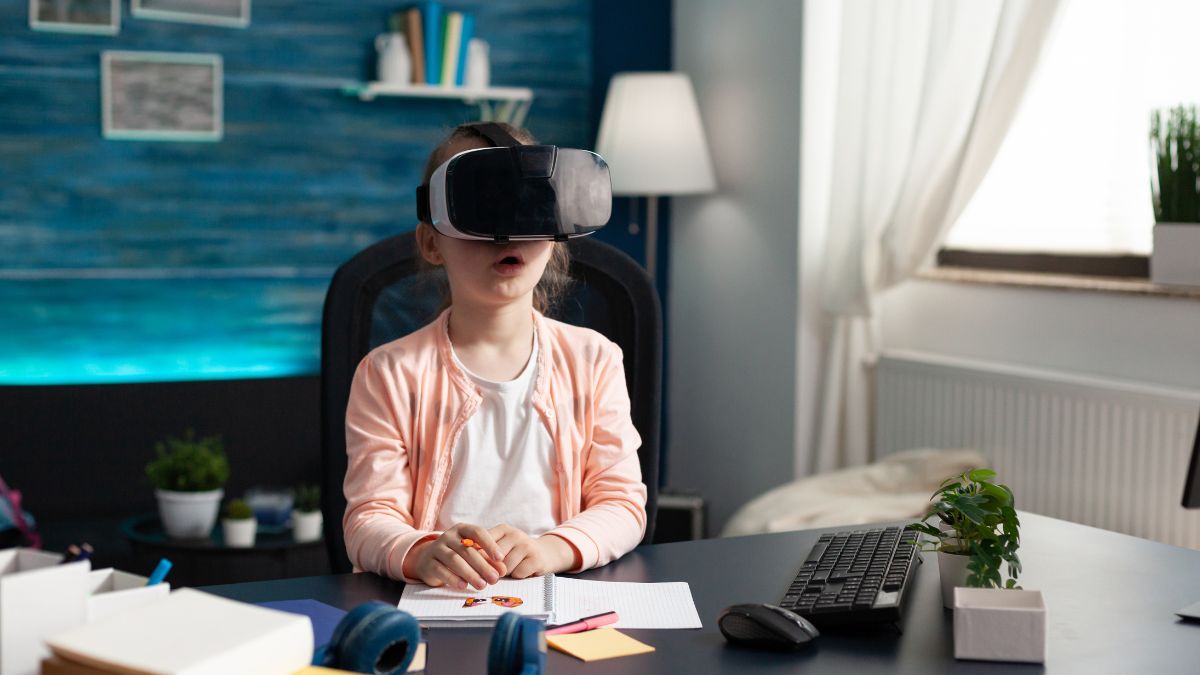
Introduction
Education has evolved significantly over the past few decades. Traditional teaching methods that relied heavily on textbooks and lectures are gradually being supplemented by innovative approaches that place learners at the center of the educational experience. One of the most exciting developments in modern education is immersive learning. By combining technology, interactivity, and real-world experiences, it creates engaging environments where students can actively participate in the learning process rather than passively consume information.
As schools, universities, and businesses seek more effective ways to train and educate individuals, it has emerged as a powerful solution. It helps learners understand complex concepts, retain information longer, and develop practical skills that can be applied in real-life situations.
What Is Immersive Learning?
This is an educational approach that places learners in interactive and realistic environments where they can engage directly with content. Instead of simply reading about a topic or listening to an instructor, learners experience the subject matter through simulations, virtual environments, augmented reality, and hands-on activities.
The goal of it to make education more engaging, memorable, and effective. By actively participating in learning experiences, students develop a deeper understanding of concepts and gain practical knowledge that extends beyond traditional classroom instruction.
How Immersive Learning Works
This uses various technologies and teaching strategies to create meaningful educational experiences. These may include:
Virtual Reality (VR)
Virtual reality allows learners to enter fully digital environments where they can explore, interact, and practice skills. Medical students can perform virtual surgeries, while engineering students can examine complex machinery in a safe digital space.
Augmented Reality (AR)
Augmented reality overlays digital information onto the real world. Students can use smartphones or tablets to visualize scientific models, historical artifacts, or architectural structures directly within their surroundings.
Simulations
Simulations provide realistic scenarios that allow learners to practice decision-making and problem-solving without real-world risks. Pilots, healthcare professionals, and emergency responders frequently benefit from its simulations.
Interactive Learning Platforms
Modern educational software incorporates its elements such as gamification, adaptive learning pathways, and interactive assessments that encourage active participation.
Benefits of Immersive Learning
Increased Student Engagement
One of the greatest advantages of immersive learning is its ability to capture and maintain attention. Interactive experiences make lessons more interesting and motivate learners to participate actively.
Improved Knowledge Retention
Research consistently shows that people remember information better when they learn through experience. It enables students to connect theoretical concepts with practical applications, leading to stronger memory retention.
Enhanced Critical Thinking
Its environments often require learners to analyze situations, make decisions, and solve problems. These activities strengthen critical thinking and decision-making skills.
Safe Learning Environment
Students can practice high-risk tasks in a controlled setting. For example, healthcare professionals can perform virtual procedures, and engineering students can test designs without real-world consequences.
Personalized Learning Experiences
Many of its platforms adapt content to individual learning styles and progress levels, creating customized educational journeys that improve outcomes.
Applications of Immersive Learning
Education
Schools and universities are increasingly adopting this technologies to improve classroom engagement and academic performance. Students can explore ancient civilizations, conduct virtual science experiments, and participate in interactive field trips.
Corporate Training
Businesses use it to train employees efficiently. New hires can experience realistic workplace scenarios, customer interactions, and safety procedures before entering actual work environments.
Healthcare
Medical institutions rely on it to train doctors, nurses, and healthcare professionals. Virtual simulations help learners develop clinical skills while reducing risks to patients.
Military and Defense
Military organizations use it to prepare personnel for complex situations. Realistic simulations help improve tactical decision-making and operational readiness.
Technical and Vocational Education
Trades such as welding, construction, aviation, and automotive repair benefit greatly from its experiences that provide hands-on practice in virtual settings.
Technologies Driving Immersive Learning
Several advanced technologies support the growth of it:
- Virtual Reality (VR) Headsets
- Augmented Reality (AR) Applications
- Mixed Reality (MR) Systems
- Artificial Intelligence (AI)
- Learning Management Systems (LMS)
- 3D Modeling Software
- Gamification Tools
- Interactive Mobile Applications
As technology becomes more accessible and affordable, this solutions continue to expand across educational and professional environments.
Challenges of Immersive Learning
Despite its many advantages, it faces several challenges.
High Initial Costs
Developing its content and purchasing specialized equipment can require significant investment.
Technical Limitations
Not all institutions have the infrastructure necessary to support it in advanced technologies.
Training Requirements
Educators and trainers may need additional instruction to effectively integrate it into their teaching practices.
Accessibility Concerns
Ensuring that it experiences are accessible to all learners, including those with disabilities, remains an important consideration.
The Future of Immersive Learning
The future of it looks exceptionally promising. Advances in artificial intelligence, virtual reality, and augmented reality are making educational experiences more realistic and personalized than ever before.
As educational institutions and businesses continue to embrace digital transformation, it will become increasingly common. Future learners may attend fully interactive virtual classrooms, collaborate globally in digital environments, and access personalized learning experiences tailored to their specific goals and abilities.
The integration of AI-driven analytics will further enhance immersive learning by identifying knowledge gaps, recommending customized content, and tracking learner progress in real time.
Best Practices for Implementing Immersive Learning
Organizations seeking to adopt immersive learning should consider the following strategies:
- Define clear learning objectives.
- Choose appropriate technologies.
- Focus on learner engagement.
- Provide adequate training for instructors.
- Measure learning outcomes regularly.
- Continuously update content and experiences.
- Ensure accessibility and inclusivity.
By following these practices, institutions can maximize the effectiveness of immersive learning initiatives.
Conclusion
Immersive learning is revolutionizing the way people acquire knowledge and develop skills. By combining technology, interaction, and experiential learning, immersive learning creates engaging educational experiences that improve understanding, retention, and performance. Whether used in schools, universities, healthcare, corporate training, or technical education, immersive learning offers tremendous potential to transform traditional approaches to teaching and learning.
As digital technologies continue to evolve, immersive learning will play an increasingly important role in preparing individuals for the challenges and opportunities of the future. Organizations that embrace immersive learning today will be better positioned to create effective, engaging, and impactful educational experiences for tomorrow’s learners.