
 By Naveed Hussain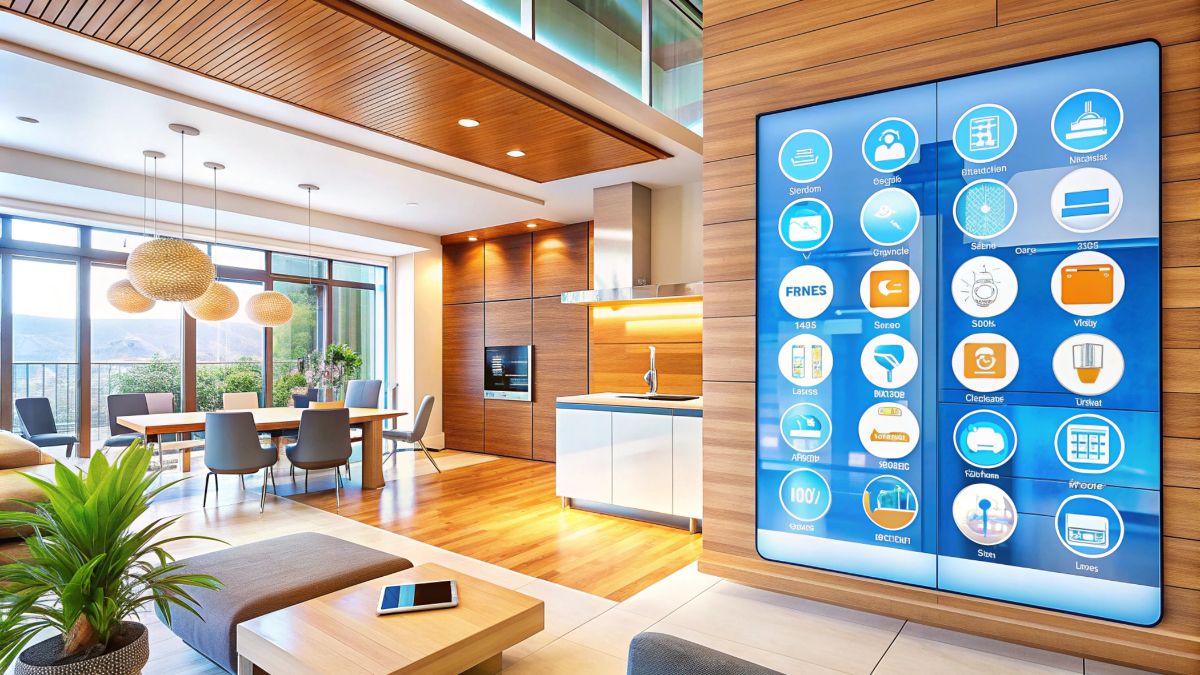
Introduction
Technology has changed the way people work, communicate, and manage their daily lives. One of the most significant developments in recent years is the rise of smart home upgrades. Homeowners are increasingly investing in connected devices and intelligent systems that improve comfort, convenience, security, and energy efficiency. From voice-controlled lighting to automated security systems, these are redefining what it means to live in a modern home.
As technology becomes more accessible and affordable, these are no longer reserved for luxury properties. Today, households of all sizes can benefit from solutions that make everyday tasks simpler while enhancing overall quality of life.
What Are Smart Home Upgrades?
It refer to the installation of internet-connected devices and automated systems that can be controlled remotely or programmed to perform specific tasks. These technologies communicate with each other through wireless networks, allowing homeowners to manage various aspects of their homes using smartphones, tablets, or voice assistants.
Common smart home upgrades include:
- Smart lighting systems
- Smart thermostats
- Home security cameras
- Smart locks
- Video doorbells
- Smart appliances
- Automated blinds and curtains
- Smart entertainment systems
These innovations work together to create a connected living environment that is more efficient and responsive to the needs of occupants.
Benefits of Smart Home Upgrades
Enhanced Convenience
One of the primary reasons homeowners choose it as convenience. Smart devices eliminate many routine tasks by automating everyday functions.
For example, homeowners can:
- Turn lights on or off remotely
- Adjust room temperatures from a smartphone
- Lock or unlock doors without keys
- Control entertainment systems using voice commands
With this, managing household functions becomes easier and more efficient.
Improved Home Security
Security remains a top priority for homeowners, and this offers advanced protection features. Modern security systems provide real-time monitoring and instant alerts whenever unusual activity is detected.
Popular security-related smart home upgrades include:
- Smart surveillance cameras
- Motion detectors
- Video doorbells
- Smart locks
- Alarm systems integrated with mobile apps
These technologies help homeowners monitor their property even when they are away.
Greater Energy Efficiency
Energy consumption is a growing concern worldwide. Fortunately, it can significantly reduce utility bills by optimizing energy use.
Smart thermostats learn household habits and automatically adjust temperatures to minimize waste. Smart lighting systems switch off when rooms are unoccupied, while smart plugs help control energy-hungry appliances.
As a result, it contribute to both environmental sustainability and financial savings.
Increased Property Value
Real estate experts recognize that it can enhance a property’s market appeal. Many homebuyers actively seek houses equipped with modern technologies because they offer convenience and long-term savings.
Features such as automated lighting, smart security systems, and intelligent climate control often increase a home’s desirability and resale value.
Popular Smart Home Upgrades for Modern Homes
Smart Lighting Systems
Lighting is often the first step in implementing it. Smart bulbs and lighting controls allow homeowners to create personalized lighting schedules and adjust brightness levels remotely.
Benefits include:
- Energy savings
- Improved ambiance
- Enhanced security
- Voice control compatibility
Smart lighting represents one of the simplest yet most effective smart home upgrades available today.
Smart Thermostats
Heating and cooling account for a significant portion of household energy expenses. Smart thermostats monitor usage patterns and automatically optimize temperature settings.
These smart home upgrades offer:
- Lower energy costs
- Remote temperature control
- Personalized comfort settings
- Environmental benefits
Smart Security Systems
Security-focused it provide peace of mind through advanced monitoring capabilities. Modern systems combine cameras, sensors, alarms, and mobile notifications into a single integrated platform.
Homeowners can receive instant alerts and view live video feeds from virtually anywhere.
Smart Door Locks
Traditional keys are gradually being replaced by digital access systems. Smart locks allow users to control entry through mobile apps, PIN codes, or biometric authentication.
This improves security while eliminating concerns about lost keys.
Smart Appliances
Kitchen and household appliances have become increasingly intelligent. Refrigerators, washing machines, ovens, and dishwashers can now connect to home networks and offer remote operation features.
Such type of upgrades save time and streamline daily household routines.
Smart Home Upgrades and Voice Assistants
Voice-controlled technology has become a central feature of many smart home upgrades. Virtual assistants allow users to operate connected devices using simple spoken commands.
Voice assistants can:
- Control lights
- Adjust thermostats
- Play music
- Set reminders
- Manage security systems
The integration of voice technology makes smart home upgrades more user-friendly and accessible for all age groups.
Planning Smart Home Upgrades
Before investing in smart home upgrades, homeowners should carefully evaluate their needs and priorities.
Important considerations include:
Budget
Not all smart home upgrades require large investments. Many affordable devices offer significant benefits and can be expanded over time.
Compatibility
Choosing devices that work together seamlessly is essential. A unified ecosystem ensures smoother operation and easier management.
Internet Connectivity
Reliable internet service is crucial for most smart home upgrades. Strong connectivity ensures consistent performance and uninterrupted automation.
Security and Privacy
Because smart home upgrades rely on internet-connected devices, cybersecurity should remain a priority. Homeowners should use strong passwords, enable two-factor authentication, and regularly update device software.
Future Trends in Smart Home Upgrades
The future of smart home upgrades is expected to be driven by artificial intelligence, machine learning, and advanced automation.
Emerging trends include:
- AI-powered predictive automation
- Smart energy management systems
- Enhanced home health monitoring
- Advanced security analytics
- Fully integrated smart ecosystems
As technology continues to evolve, smart home upgrades will become even more intelligent, personalized, and efficient.
Challenges of Smart Home Upgrades
Despite their many advantages, smart home upgrades can present certain challenges.
Common concerns include:
- Initial installation costs
- Device compatibility issues
- Privacy concerns
- Dependence on internet connectivity
- Learning curves for new users
However, as technology matures, many of these challenges are becoming easier to address.
Conclusion
Smart home upgrades have revolutionized modern living by combining convenience, security, efficiency, and innovation. Whether through smart lighting, intelligent climate control, advanced security systems, or connected appliances, these technologies offer practical benefits that enhance everyday life.
As adoption continues to grow, smart home upgrades are becoming an essential component of modern homeownership. Homeowners who embrace these innovations can enjoy greater comfort, lower energy costs, enhanced security, and increased property value. With ongoing advancements in technology, the future of smart home upgrades promises even more exciting possibilities for creating smarter, safer, and more efficient homes.