
 By Naveed Hussain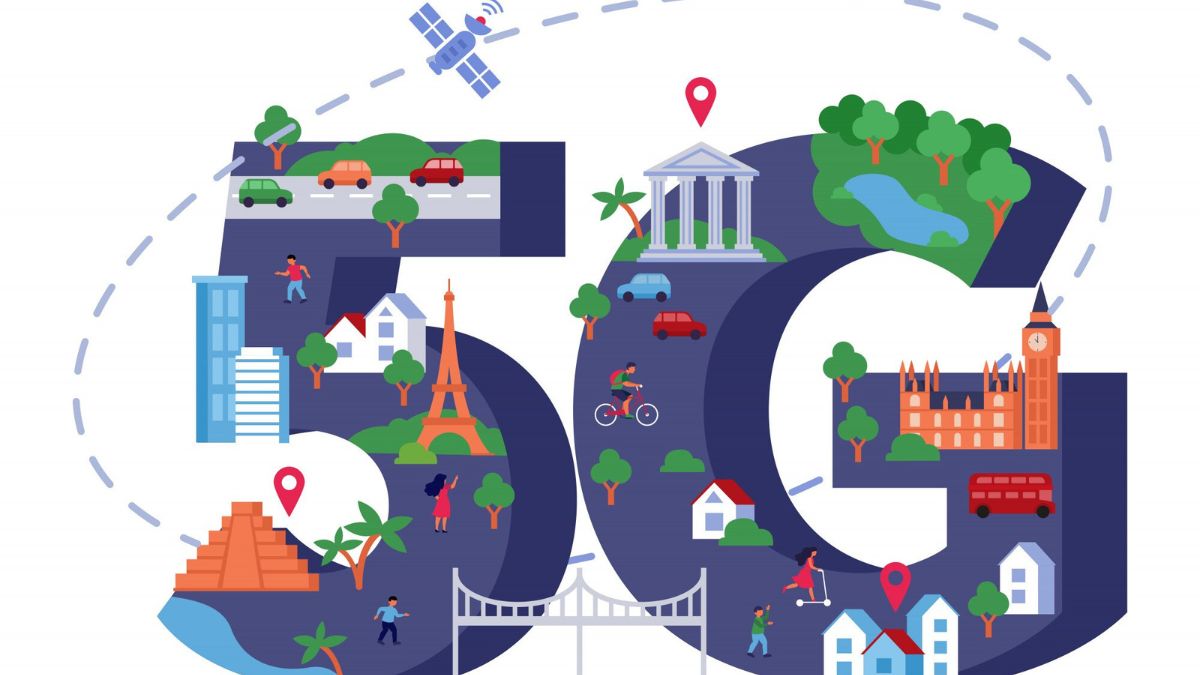
In an era where speed, reliability, and instant communication define progress, 5G connectivity stands out as a revolutionary leap in wireless technology. It is not just an upgrade from previous generations—it is a complete transformation of how devices, systems, and people interact in a hyper-connected world.
This comprehensive, humanized guide explores what 5G-connectivity is, why it matters, and how it is reshaping industries and everyday life.
What is 5G Connectivity?
It refers to the fifth generation of mobile network technology. It is designed to deliver faster speeds, lower latency, and the ability to connect more devices simultaneously compared to earlier networks like 4G.
Unlike previous generations that primarily improved speed, it is built to support a wide range of modern technologies such as smart devices, autonomous systems, and real-time applications.
Key Features of 5G-Connectivity
1. Ultra-Fast Speeds
One of the most talked-about features of 5G-connectivity is its incredible speed. It can be up to 100 times faster than 4G, enabling users to download large files, stream high-quality videos, and run advanced applications almost instantly.
2. Low Latency
Latency refers to the delay in data transmission. With 5G-connectivity, latency can be reduced to just a few milliseconds, making real-time communication smoother and more efficient.
3. Massive Device Connectivity
It can support millions of devices within a small area. This is crucial for the growing ecosystem of smart devices and the Internet of Things (IoT).
4. Improved Reliability
The network is designed to be more stable and dependable, even in crowded areas or high-demand situations.
How 5G-Connectivity Works
It uses advanced technologies such as higher-frequency radio waves, small cell networks, and beamforming to deliver faster and more efficient data transmission.
- Small Cells: These are compact base stations placed closer together to ensure consistent coverage.
- Millimeter Waves: High-frequency bands that carry large amounts of data at high speeds.
- Beamforming: A technique that directs signals precisely to users rather than broadcasting them widely.
Together, these innovations make it faster, smarter, and more efficient.
Real-World Applications of 5G-Connectivity
The true potential of it becomes clear when we look at its real-world impact.
1. Smart Cities
It enables intelligent traffic systems, smart lighting, and efficient energy management, making cities more livable and sustainable.
2. Healthcare
Remote surgeries, telemedicine, and real-time patient monitoring become more reliable with 5G-connectivity, improving healthcare delivery.
3. Autonomous Vehicles
Self-driving cars rely on ultra-fast communication to process data from sensors and navigate safely—something 5G-connectivity makes possible.
4. Entertainment and Gaming
From seamless streaming to cloud gaming and augmented reality experiences, it enhances digital entertainment like never before.
5. Industrial Automation
Factories benefit from real-time monitoring, predictive maintenance, and efficient operations powered by it.
5G-Connectivity vs Previous Generations
| Feature | 4G | 5G Connectivity |
|---|---|---|
| Speed | Moderate | Extremely fast |
| Latency | Higher | Ultra-low |
| Device Support | Limited | Massive |
| Efficiency | Good | Highly optimized |
| Use Cases | Mobile internet | IoT, AI, smart systems |
This comparison highlights how it goes beyond just faster internet—it enables entirely new possibilities.
Benefits of 5G-Connectivity
- Faster communication and data transfer
- Better user experience for mobile users
- Support for advanced technologies like AI and IoT
- Enhanced productivity in industries
- Stronger network performance in dense environments
Challenges of 5G-Connectivity
Despite its advantages, it also faces some challenges:
- Infrastructure Costs: Building 5G networks requires significant investment.
- Limited Coverage (Early Stages): Deployment is still expanding in many regions.
- Device Compatibility: Not all devices support 5G-connectivity yet.
- Security Concerns: More connected devices can increase potential risks.
The Future of 5G-Connectivity
The future of 5G connectivity is bright and full of possibilities. As networks expand globally, we can expect:
- Wider adoption of smart technologies
- Growth in remote work and digital services
- Advanced innovations in robotics and automation
- More immersive virtual and augmented reality experiences
In the coming years, 5G connectivity will act as the backbone of digital transformation, connecting people and machines in ways never seen before.
Conclusion
5G-connectivity is more than just a faster network—it is a powerful enabler of innovation and progress. By delivering ultra-fast speeds, low latency, and massive connectivity, it is paving the way for smarter cities, better healthcare, and more advanced technologies.
As the world continues to evolve digitally, embracing 5G connectivity will be essential for individuals, businesses, and societies aiming to stay ahead in a connected future.