
 By Naveed Hussain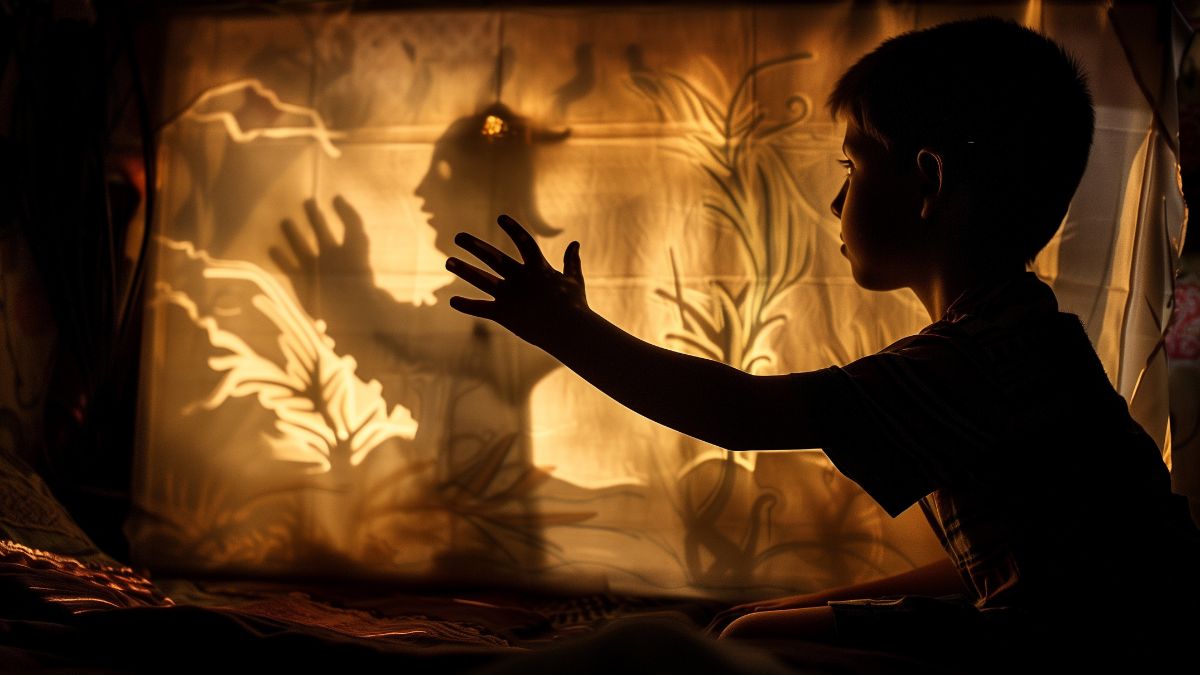
Darkness and fear have been deeply intertwined throughout human history. From ancient times to the modern world, darkness has often symbolized danger, uncertainty, and the unknown. Fear, as a natural emotional response, emerges in these moments of uncertainty, shaping how individuals think, behave, and survive. Together, darkness and fear form a powerful psychological and emotional connection that continues to influence human life in subtle and profound ways.
The Symbolism of Darkness
Darkness is more than the absence of light—it carries symbolic meaning across cultures and societies. It is often associated with mystery, secrecy, and even evil. In literature, darkness frequently represents the hidden parts of the human mind, the fears we suppress, and the truths we avoid confronting. It creates an environment where imagination becomes active, sometimes amplifying even the smallest uncertainty into something overwhelming.
From a psychological perspective, darkness removes visual clarity, which is one of the primary ways humans interpret their surroundings. When sight is limited, the brain compensates by filling in gaps with assumptions, often driven by past experiences or fears. This is why a simple shadow in the dark can feel threatening, even when it poses no real danger.
The Nature of Fear
Fear is a fundamental human emotion designed to protect us. It triggers the body’s “fight or flight” response, preparing us to either confront or escape potential threats. This reaction is deeply rooted in human evolution, where survival often depended on quick responses to danger—especially in dark environments where predators were more active.
However, fear is not always rational. In modern life, many fears are psychological rather than physical. Darkness can still trigger fear even when there is no real threat present. This happens because the brain associates darkness with vulnerability, a leftover instinct from earlier stages of human development.
Why Darkness Intensifies Fear
Darkness amplifies fear because it limits control and predictability. Humans naturally seek understanding and order, but darkness removes both. Without clear visibility, the mind becomes more active, often imagining worst-case scenarios. Sounds seem louder, movements appear more sudden, and ordinary objects can take on frightening shapes.
Additionally, darkness often isolates individuals. Being alone in the dark can heighten feelings of vulnerability, making fear more intense. This is why many people experience unease in dark, unfamiliar places but feel safer in well-lit or familiar environments.
Cultural and Social Influences
Cultural narratives play a significant role in shaping how people perceive darkness and fear. Stories, myths, and media often portray darkness as a setting for danger—haunted houses, mysterious forests, or unknown creatures. These repeated themes reinforce the association between darkness and fear, especially from a young age.
Children, in particular, are more sensitive to fear of darkness because their imagination is highly active and their understanding of reality is still developing. As individuals grow older, they may learn to rationalize their fears, but the emotional response can still persist.
Overcoming Fear of Darkness
Understanding the root of fear is the first step toward overcoming it. Recognizing that fear in darkness is often a natural, instinctive response can help reduce its intensity. Gradual exposure to dark environments, combined with relaxation techniques, can also help individuals build confidence and reduce anxiety.
Creating a sense of control is another effective strategy. Simple actions like using a dim light, listening to calming sounds, or familiarizing oneself with an environment can make darkness feel less threatening. Over time, these methods help retrain the brain to respond more calmly.
The Deeper Meaning of Darkness and Fear
Beyond the physical experience, darkness and fear also have metaphorical significance. They often represent the challenges, uncertainties, and struggles individuals face in life. Just as physical darkness can obscure vision, emotional or psychological “darkness” can cloud judgment and create fear of the unknown future.
Yet, darkness is not entirely negative. It can also be a space for reflection, rest, and growth. Many people find clarity and creativity in quiet, dark moments. Similarly, fear, when understood and managed, can become a tool for self-awareness and personal development.
Conclusion
Darkness and fear are deeply connected aspects of the human experience. While darkness can trigger fear due to uncertainty and limited perception, fear itself serves an important protective function. Together, they reveal how the human mind responds to the unknown—sometimes irrationally, but always meaningfully.
By understanding this relationship, individuals can learn not only to manage their fears but also to see darkness in a new light—not just as something to be feared, but as an opportunity to explore, reflect, and grow.