
 By Naveed Hussain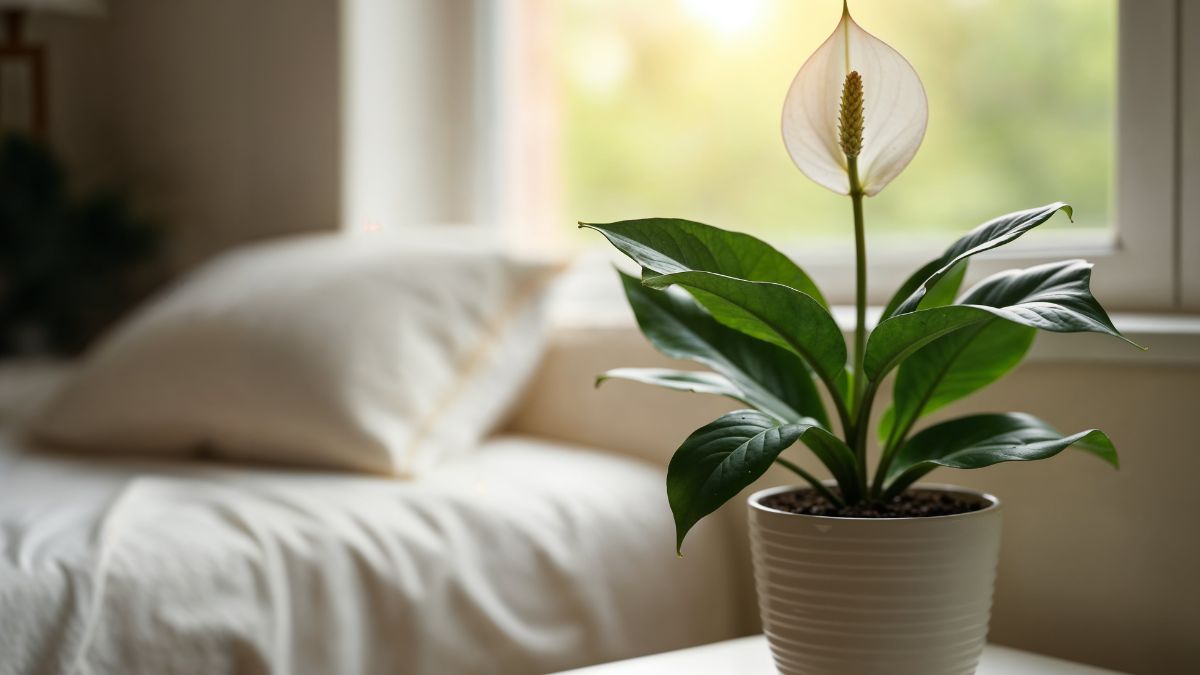
Introduction
The Peace Lily is one of the most beloved indoor plants in the world. Known for its graceful white blooms and lush green foliage, this attractive plant adds elegance to any living space while requiring minimal maintenance. Whether placed in a home, office, or apartment, the Peace Lily effortlessly enhances interior décor and creates a calming atmosphere.
Beyond its visual appeal, it is widely appreciated for its air-purifying qualities and adaptability to indoor environments. Its ability to thrive in low-light conditions makes it an excellent choice for beginners and experienced plant enthusiasts alike.
What Is a Peace Lily?
The Peace Lily (Spathiphyllum) is a tropical flowering plant native to the rainforests of Central and South America. Despite its name, it is not a true lily. The plant belongs to the Araneae family and is recognized by its glossy green leaves and distinctive white flowers known as spathes.
The elegant white blooms symbolize peace, purity, and prosperity, making it a popular gift for special occasions and celebrations.
Why the Peace Lily Is So Popular
The popularity of its stems from its combination of beauty, resilience, and practicality. Unlike many flowering houseplants, it can bloom indoors while tolerating lower light levels.
Key reasons homeowners love the Peace Lily include:
- Attractive year-round foliage
- Elegant white flowers
- Easy maintenance requirements
- Adaptability to indoor environments
- Air-purifying capabilities
- Long lifespan with proper care
These qualities make it one of the most recommended houseplants for modern homes.
Benefits of Growing a Peace Lily
Improves Indoor Air Quality
One of the most celebrated benefits of this plant is its ability to help improve indoor air quality. The plant absorbs airborne pollutants through its leaves and root system, contributing to a fresher indoor environment.
While no plant can completely purify indoor air on its own, this can be part of a healthier indoor living space when combined with proper ventilation.
Enhances Home Décor
The lush green leaves and striking white blooms create a sophisticated appearance that complements nearly every interior design style. Whether your home features minimalist, contemporary, traditional, or modern décor, this blends seamlessly into the environment.
Creates a Relaxing Atmosphere
Indoor plants have long been associated with a sense of calm and well-being. It’s elegant appearance can help transform ordinary rooms into tranquil and inviting spaces.
Suitable for Small Spaces
Because it grows vertically and remains relatively compact, it is ideal for apartments, offices, bedrooms, and small living areas where space is limited.
How to Care for a Peace Lily
Light Requirements
It’s thrives in bright, indirect light but can tolerate lower light conditions. Avoid placing it in direct sunlight, as intense rays may scorch the leaves.
Ideal locations include:
- Near north-facing windows
- A few feet from east-facing windows
- Bright office spaces with filtered light
Watering
Proper watering is essential for a healthy Peace Lily. The soil should remain slightly moist but not soggy.
General watering tips:
- Water when the top inch of soil feels dry
- Use room-temperature water
- Ensure proper drainage
- Avoid overwatering
A drooping Peace Lily often signals that it needs water and usually recovers quickly after watering.
Humidity
As a tropical plant, the Peace Lily enjoys moderate to high humidity. If indoor air is dry, especially during winter, occasional misting can be beneficial.
Other ways to increase humidity include:
- Using a humidifier
- Grouping plants together
- Placing the pot on a pebble tray with water
Temperature
The Peace Lily grows best in temperatures between 18°C and 29°C (65°F to 85°F). Keep it away from cold drafts, heaters, and air-conditioning vents.
Fertilizing
Feed your Peace Lily with a balanced liquid houseplant fertilizer every six to eight weeks during the growing season. Excessive fertilization can damage roots and leaves, so moderation is important.
Common Peace Lily Problems
Yellow Leaves
Yellow leaves may indicate:
- Overwatering
- Poor drainage
- Excessive fertilizer
- Aging foliage
Adjusting watering habits often resolves the issue.
Brown Leaf Tips
Brown tips commonly result from:
- Low humidity
- Fluoride in tap water
- Underwatering
- Excess fertilizer
Using filtered water and increasing humidity can help prevent browning.
Lack of Flowers
If a Peace Lily is not blooming, it may not be receiving enough indirect light. Moving it to a brighter location often encourages flowering.
Drooping Leaves
Drooping is usually caused by underwatering or overwatering. Checking soil moisture helps identify the correct solution.
Repotting a Peace Lily
As the plant grows, its roots may outgrow the container. Repotting every one to two years helps maintain healthy growth.
Steps for successful repotting:
- Choose a pot slightly larger than the current one.
- Use well-draining potting soil.
- Carefully remove the plant.
- Loosen compacted roots.
- Replant and water thoroughly.
Repotting provides fresh nutrients and additional space for root development.
Propagating a Peace Lily
Propagation is typically done through division.
To propagate:
- Remove the plant from its pot.
- Separate root clumps carefully.
- Ensure each division has healthy roots and leaves.
- Plant each section in its own container.
- Water thoroughly and place in indirect light.
This method allows gardeners to create multiple healthy plants from a single mature specimen.
Best Places to Display a Peace Lily
The Peace Lily can enhance nearly any indoor setting, including:
- Living rooms
- Bedrooms
- Home offices
- Entryways
- Dining areas
- Bathrooms with adequate light
Its elegant appearance makes it a natural focal point in both residential and commercial interiors.
Peace Lily and Feng Shui
In Feng Shui practices, the Peace Lily is often associated with harmony, balance, and positive energy. Many people place the plant in homes and offices to promote a peaceful and welcoming environment.
Its lush greenery and pure white flowers symbolize renewal and tranquility, making it a meaningful decorative choice.
Is the Peace Lily Safe for Pets?
Although beautiful, the Peace Lily contains calcium oxalate crystals that can cause irritation if chewed by cats, dogs, or humans. Pet owners should keep the plant out of reach of animals and young children.
If ingestion occurs, consulting a veterinarian or healthcare professional is advisable.
Conclusion
The Peace Lily remains one of the most rewarding houseplants for indoor gardeners. Its elegant flowers, rich green foliage, and low-maintenance nature make it an excellent addition to homes and offices alike. Whether you are new to indoor gardening or an experienced plant enthusiast, the Peace Lily offers lasting beauty with relatively simple care.
With proper watering, adequate indirect light, and occasional maintenance, a Peace Lily can thrive for many years, bringing freshness, sophistication, and natural charm to any indoor space.