
 By Naveed Hussain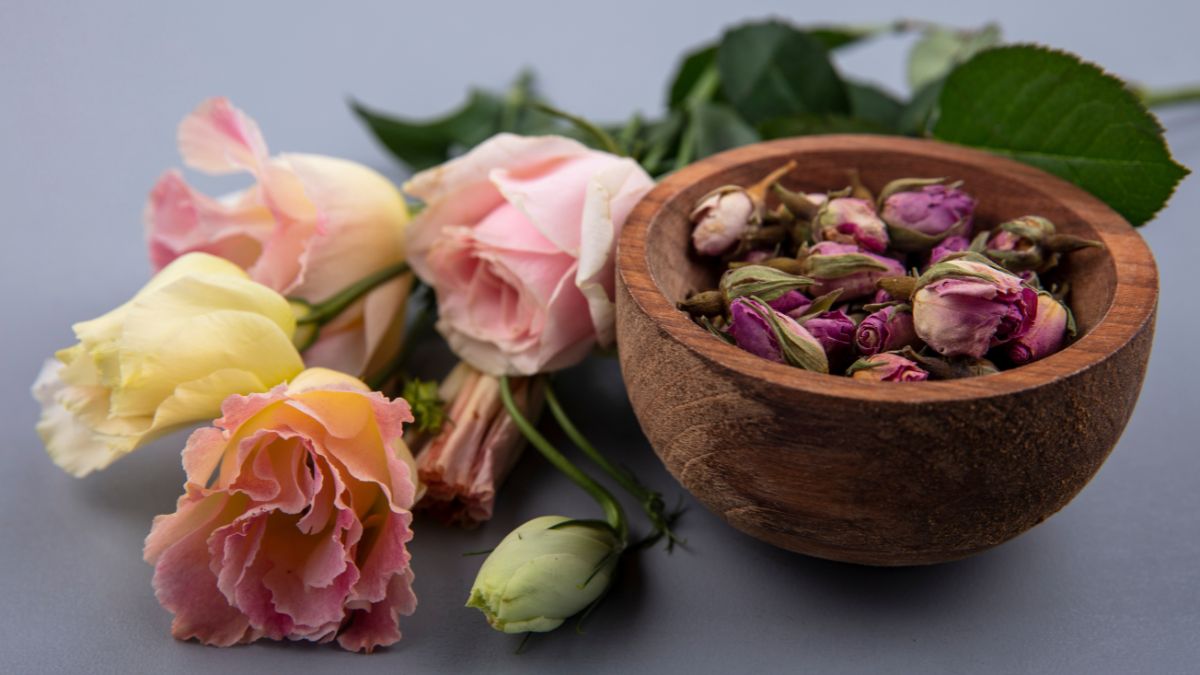
Introduction
Therapeutic Flowers have been valued for centuries for their healing properties, calming fragrances, and natural beauty. Across different cultures and traditions, flowers have played an important role in physical healing, emotional balance, skincare, aromatherapy, and relaxation therapies. Today, it is increasingly popular in holistic wellness, alternative medicine, spa treatments, and natural healthcare.
From soothing lavender fields to refreshing chamomile blossoms, therapeutic flowers offer a gentle and natural approach to improving overall well-being. Their fragrances, oils, extracts, and medicinal compounds are widely used in teas, essential oils, skincare products, and stress-relief therapies.
What Are Therapeutic Flowers?
These flowers known for their medicinal, emotional, or wellness benefits. These flowers contain natural compounds that may help reduce stress, improve mood, support sleep, enhance skincare, and promote relaxation.
Many therapeutic flowers are used in:
- Aromatherapy
- Herbal medicine
- Essential oils
- Spa treatments
- Natural skincare
- Meditation practices
- Stress management therapies
The growing interest in natural wellness has increased its demand around the world.
History of Therapeutic Flowers
The use of these flowers dates back thousands of years. Ancient civilizations such as the Egyptians, Chinese, Greeks, and Indians relied on flowers for healing and spiritual rituals.
In traditional Chinese medicine, flowers were used to balance energy and improve health. Ancient Egyptians created perfumes and oils from flowers for healing and beauty treatments. Ayurvedic medicine in India also used therapeutic flowers to support emotional and physical wellness.
Over time, flower therapy evolved into modern aromatherapy and holistic wellness practices that are still widely used today.
Popular Therapeutic Flowers and Their Benefits
Lavender
Lavender is one of the most famous therapeutic flowers in the world. It is known for its calming scent and relaxing effects.
Benefits of Lavender
- Reduces stress and anxiety
- Promotes better sleep
- Helps with headaches
- Supports relaxation
- Used in essential oils and spa therapies
Lavender is commonly used in aromatherapy, candles, oils, and herbal teas.
Chamomile
Chamomile is widely recognized for its soothing and anti-inflammatory properties.
Benefits of Chamomile
- Helps improve sleep quality
- Relieves stress and tension
- Supports digestion
- Soothes skin irritation
- Promotes calmness
Chamomile tea is one of the most popular natural remedies worldwide.
Rose
Rose is admired not only for its beauty but also for its therapeutic value.
Benefits of Rose
- Enhances mood
- Supports healthy skin
- Reduces emotional stress
- Used in skincare products
- Provides natural fragrance therapy
Rose water and rose oil are commonly used in cosmetics and wellness treatments.
Jasmine
Jasmine is valued for its rich fragrance and uplifting effects.
Benefits of Jasmine
- Boosts emotional wellness
- Helps reduce anxiety
- Improves mood
- Supports relaxation
- Used in perfumes and aromatherapy
The scent of jasmine is often associated with peace and positivity.
Calendula
Calendula is commonly used in herbal medicine and skincare.
Benefits of Calendula
- Supports wound healing
- Reduces inflammation
- Helps soothe skin conditions
- Used in creams and ointments
- Promotes healthy skin
Calendula extracts are frequently found in natural skincare products.
Hibiscus
Hibiscus is popular for both its beauty and nutritional value.
Benefits of Hibiscus
- Rich in antioxidants
- Supports heart health
- Helps maintain healthy blood pressure
- Used in herbal teas
- Supports skin and hair health
Hibiscus tea is enjoyed globally for its refreshing flavor and wellness benefits.
Therapeutic Flowers in Aromatherapy
Aromatherapy is one of the most common use of it. Flower essential oils are extracted and used to improve mental and emotional well-being.
Common Aromatherapy Uses
- Stress relief
- Sleep improvement
- Mood enhancement
- Relaxation therapy
- Meditation support
Flower-based essential oils such as lavender, rose, jasmine, and chamomile are widely used in diffusers, massage oils, and spa products.
Emotional and Mental Health Benefits
It can positively affect emotional health through fragrance, color, and natural compounds.
Stress Reduction
Pleasant floral scents help calm the nervous system and create a peaceful environment.
Improved Mood
Certain flowers, especially jasmine and rose, may help improve emotional balance and positivity.
Better Sleep
Flowers like lavender and chamomile are known for promoting restful sleep and relaxation.
Meditation and Mindfulness
Flower gardens and floral aromas often support meditation and mindfulness practices.
Therapeutic Flowers in Skincare
It contains antioxidants, vitamins, and anti-inflammatory compounds beneficial for skin health.
Common Floral Skincare Products
- Rose water
- Lavender oil
- Calendula creams
- Chamomile lotions
- Hibiscus face masks
These products may help hydrate skin, reduce irritation, and improve overall skin appearance.
Medicinal Uses of Therapeutic Flowers
Most of these are used in traditional and herbal medicine.
Herbal Teas
Flowers such as chamomile and hibiscus are used to prepare herbal teas that support wellness.
Natural Remedies
Flower extracts may help with minor skin issues, stress management, and relaxation.
Essential Oils
Flower oils are commonly used in massages, inhalation therapies, and wellness treatments.
Growing Therapeutic Flowers at Home
Growing these flowers at home provides both beauty and wellness benefits.
Tips for Growing Therapeutic Flowers
Choose Sunny Locations
Most flowering plants require adequate sunlight for healthy growth.
Use Well-Drained Soil
Healthy soil supports stronger roots and better flowering.
Water Regularly
Consistent watering helps flowers remain vibrant and healthy.
Avoid Excess Chemicals
Organic gardening methods preserve the natural healing qualities of flowers.
Home gardens filled with therapeutic flowers can create peaceful and refreshing outdoor spaces.
Therapeutic Flowers in Modern Wellness
Today, therapeutic flowers are widely used in:
- Spa treatments
- Wellness centers
- Organic skincare
- Herbal medicine
- Yoga studios
- Meditation spaces
The popularity of natural wellness products has significantly increased the demand for these flowers and flower-based therapies.
Environmental Benefits of Therapeutic Flowers
These are also support the environment by attracting pollinators such as bees and butterflies.
Environmental Advantages
- Improve biodiversity
- Support pollinators
- Beautify landscapes
- Enhance air quality
- Encourage eco-friendly gardening
Flower gardens contribute to healthier and more sustainable ecosystems.
Precautions When Using Therapeutic Flowers
Although it offers many benefits, proper usage is important.
- Some individuals may experience allergies.
- Essential oils should be diluted before skin application.
- Certain flowers may interact with medications.
- Consult healthcare professionals for medical concerns.
Using therapeutic flowers responsibly ensures safe and effective wellness support.
Conclusion
Therapeutic Flowers continue to play an important role in natural health, relaxation, and emotional well-being. Their soothing fragrances, medicinal properties, and calming beauty make them valuable in aromatherapy, skincare, herbal medicine, and holistic wellness practices.
Whether grown in gardens, enjoyed in teas, or used in essential oils, therapeutic flowers offer a natural way to support a healthier and more balanced lifestyle. As interest in holistic healing continues to grow, therapeutic flowers remain a timeless symbol of wellness, peace, and natural beauty.